Glucometer in Pakistan – Complete Guide (2026)

A glucometer is one of the most essential medical devices used for monitoring blood sugar levels at home, especially for diabetic patients. In Pakistan, where diabetes cases are rapidly increasing, having a reliable glucometer is no longer optional but a necessity.
📌 What is a Glucometer?
A glucometer is a compact, portable medical device designed to measure glucose concentration in the blood within seconds. It works by analyzing a small drop of blood placed on a disposable test strip and provides instant digital results.
📊 Types of Glucometers Available in Pakistan
🏠 1. Basic Glucometer

A basic glucometer is the most commonly used device for blood sugar monitoring in Pakistan, especially among patients who require routine daily testing. These devices are simple, affordable, and designed for ease of use, making them ideal for elderly patients and those who are new to diabetes management. A basic glucometer typically consists of a meter, test strips, and a lancet device, and it provides quick results within a few seconds. Patients can easily carry it anywhere due to its compact size, making it highly convenient for both home and travel use.
One of the biggest advantages of basic glucometers is their affordability and availability. Test strips for these devices are usually easily available in local pharmacies, which is an important factor for long-term usage. However, they may lack advanced features such as data storage or connectivity. Despite this, they remain highly reliable for routine monitoring and are widely recommended for patients who need simple and cost-effective glucose tracking without complicated features.
📱 2. Smart Digital Glucometer

Smart digital glucometers are modern devices that offer advanced features beyond basic glucose measurement. These devices are equipped with Bluetooth or Wi-Fi connectivity, allowing users to connect their glucometer to a smartphone application. This feature enables automatic data storage, trend analysis, and easy sharing of reports with healthcare professionals. For patients who want better control over their diabetes, smart glucometers provide a more comprehensive solution by offering insights into long-term glucose patterns.
In Pakistan, smart glucometers are becoming increasingly popular among younger users and tech-savvy patients. These devices help users track their readings over time, set reminders for testing, and even receive alerts for abnormal glucose levels. Although they are more expensive than basic glucometers, the additional features justify the cost for patients who require detailed monitoring. They are particularly useful for individuals managing complex diabetes conditions or those who want to maintain a digital health record.
📡 3. Continuous Glucose Monitor (CGM)

Continuous Glucose Monitors (CGMs) represent the most advanced form of glucose monitoring technology available today. Unlike traditional glucometers, CGMs do not require frequent finger pricks. Instead, they use a small sensor inserted under the skin that continuously measures glucose levels throughout the day and night. This data is transmitted to a receiver or smartphone, allowing users to monitor their glucose levels in real time. This continuous monitoring provides a more comprehensive understanding of glucose fluctuations.
Although CGMs are not yet widely used in Pakistan due to their high cost, they are becoming more accessible in urban healthcare settings. These devices are especially beneficial for patients with unstable diabetes or those who require strict glucose control. CGMs help in identifying patterns, preventing sudden spikes or drops in blood sugar, and improving overall diabetes management. Despite their higher price, they offer unmatched convenience and accuracy, making them an excellent choice for advanced users.
🧪 4. Hospital-Grade Glucometer
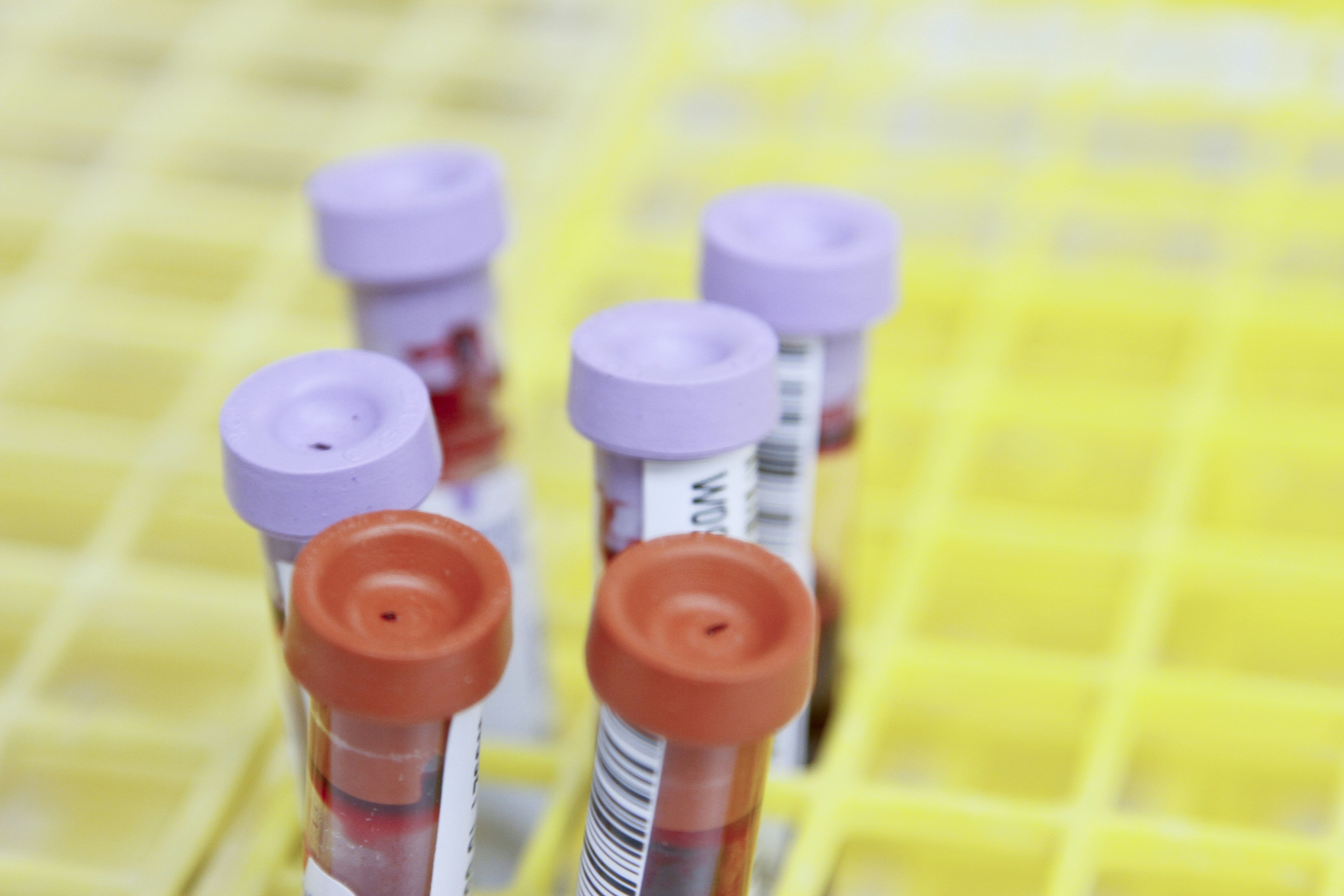
Hospital-grade glucometers are high-precision devices used in clinical and hospital settings. These devices are designed to provide extremely accurate readings and are often used by healthcare professionals for diagnosing and monitoring patients. They are capable of handling multiple tests in a short period and are built with advanced calibration systems to ensure reliability. Unlike home-use glucometers, these devices are larger and more sophisticated, making them suitable for professional use rather than personal use.
In Pakistan, hospital-grade glucometers are commonly found in laboratories, clinics, and large pharmacies. They play a critical role in patient care by providing accurate and consistent results that doctors rely on for treatment decisions. While they are not typically used for home monitoring, understanding their function helps patients appreciate the importance of accuracy in glucose testing. These devices set the standard for quality and precision in blood sugar monitoring.
💰 Price of Glucometer in Pakistan (2026)
💵 Price Range by Different Types of Glucometers
The price of glucometers in Pakistan varies depending on the type, brand, and features offered. Basic glucometers, which are most commonly used for home monitoring, are available in the range of Rs. 1,500 to Rs. 3,000. These devices are simple, affordable, and ideal for routine daily testing. Mid-range or smart glucometers, which include additional features such as memory storage, faster readings, and mobile connectivity, typically cost between Rs. 3,000 and Rs. 6,000. These are suitable for patients who want better tracking and convenience in managing their diabetes.
Advanced devices such as Continuous Glucose Monitors (CGMs) are more expensive and usually range from Rs. 8,000 to Rs. 20,000 or higher depending on the technology and imported brands. Hospital-grade glucometers used in clinics and laboratories are also available in Pakistan, typically priced between Rs. 10,000 and Rs. 25,000. These devices are highly accurate and designed for professional use, ensuring reliable results for medical decision-making.
📊 Popular Glucometer Prices in Pakistan (2026)
Here are some commonly available glucometers in the Pakistani market along with their approximate price ranges:
- Accu-Chek Active (Roche) – Rs. 3,200 to Rs. 4,500
- Accu-Chek Instant – Rs. 4,000 to Rs. 5,500
- On Call Plus – Rs. 1,800 to Rs. 2,800
- Contour Plus (Ascensia) – Rs. 3,500 to Rs. 5,000
- OneTouch Select Plus – Rs. 4,500 to Rs. 6,500
- Bionime Rightest GM550 – Rs. 2,500 to Rs. 3,800
- SD CodeFree Glucometer – Rs. 1,700 to Rs. 2,500
These prices may vary depending on the city, pharmacy, or online platform, but they provide a good estimate for buyers in Pakistan. Popular brands like Accu-Chek and OneTouch are known for their accuracy and reliability, while budget-friendly options like On Call Plus and SD CodeFree are widely used due to their affordability and easily available test strips.
📦 Hidden Costs and Long-Term Expenses
While the initial cost of a glucometer is important, the ongoing cost of test strips is a major factor that many users overlook. Test strips are required for every reading and can cost between Rs. 1,500 and Rs. 3,500 per pack depending on the brand. For patients who need to check their blood sugar multiple times daily, this can become a significant monthly expense.
It is also essential to consider the availability of test strips in local pharmacies. Some imported glucometers may have expensive or hard-to-find strips, which can create inconvenience and disrupt regular monitoring. Therefore, choosing a glucometer with affordable and easily available strips is crucial for long-term use.
In addition to strips, users may need lancets and occasional battery replacements, which add to the overall cost. Buying from trusted pharmacy stores or verified online platforms ensures authenticity and helps avoid counterfeit devices that may give inaccurate readings. Investing in a quality glucometer may seem costly initially, but it ensures accurate monitoring, better diabetes control, and prevention of serious health complications in the long run.
🎯 How to Choose Best Glucometer
Look for accuracy, availability of strips, ease of use, and additional features like memory and mobile connectivity. A good glucometer should be reliable and easy for daily use.
⚠️ Common Mistakes While Using a Glucometer
❌ User Handling Errors and Testing Mistakes
One of the most common mistakes people make while using a glucometer is not following proper testing procedures, which can lead to inaccurate results. For example, many users do not wash their hands before testing, which can cause contamination from food particles or dirt and result in incorrect readings. Even small amounts of sugar residue on fingers can significantly increase glucose readings, leading to unnecessary panic or incorrect medication adjustments. Similarly, using an insufficient blood sample or placing blood incorrectly on the test strip can produce unreliable results.
Another frequent issue is the improper use of lancets and test strips. Some users reuse lancets multiple times to save cost, which not only increases the risk of infection but also makes the finger prick more painful. Additionally, many people fail to insert the test strip properly or touch the sensitive area of the strip, which can interfere with the chemical reaction required for accurate measurement. Testing at inconsistent times of the day also makes it difficult to track glucose patterns, reducing the effectiveness of diabetes management.
🛠 Device Maintenance and Storage Mistakes
Poor maintenance of the glucometer is another major reason for inaccurate readings. Many users neglect cleaning their device regularly, allowing dust, blood residue, or moisture to affect its performance. Glucometers are sensitive electronic devices, and improper handling can reduce their accuracy over time. Storing the device in extreme temperatures or humid conditions can also damage internal components and affect test results. For example, leaving the glucometer in a hot car or near direct sunlight can compromise its functionality.
Another critical mistake is using expired or improperly stored test strips. Test strips are highly sensitive and must be kept in their original container with the lid tightly closed. Exposure to air, heat, or moisture can degrade the chemicals in the strips, leading to false readings. Many users ignore expiry dates, assuming the strips will still work, but this can result in serious inaccuracies. It is always important to check expiry dates and store strips in a cool, dry place to maintain their effectiveness.

⚠️ Interpretation and Decision-Making Errors
Even when the glucometer is used correctly, many users make mistakes in interpreting the results. Some patients panic when they see slightly high or low readings without considering factors such as recent meals, stress, or physical activity. Others may ignore abnormal readings altogether, assuming they are temporary fluctuations. This lack of proper understanding can lead to poor diabetes management and increased health risks.
Another common mistake is adjusting medication or insulin doses without consulting a healthcare professional. While glucometers provide valuable information, they should not replace medical advice. Misinterpreting readings and making independent decisions can result in dangerous situations such as hypoglycemia or hyperglycemia. Therefore, it is essential to use glucometer readings as a guide and always consult a doctor for significant changes in treatment.
Overall, avoiding these common mistakes can greatly improve the accuracy and reliability of glucometer readings. Proper usage, regular maintenance, and correct interpretation are key to effective diabetes management. By following best practices and staying informed, patients can ensure better health outcomes and reduce the risk of complications associated with uncontrolled blood sugar levels.
🔗 Related Medical Devices
🛒 Where to Buy
🏁 Final Thoughts
A glucometer is a lifesaving device for diabetes management. Choosing the right one ensures better health outcomes and long-term safety.
Comments
Post a Comment